Syngonium Moonshine: The Ultimate Green Companion for Your Home
Are you a plant lover? Do you want to add some natural beauty to your home or office space? If so, then you should definitely check out Syngonium Moonshine. This stunning plant is not only beautiful but also has numerous benefits that make it a great addition to any space.
Syngonium Moonshine is a popular houseplant that belongs to the Araceae family. It is native to tropical rainforests and can grow up to 2-3 feet tall indoors. This plant is known for its unique foliage that s off as a light green color and gradually darkens as it matures. The leaves are arrow-shaped, and they have a shiny appearance that adds to their visual appeal.
One of the most interesting things about Syngonium Moonshine is that it is very easy to care for. It doesn't require much attention, making it an ideal choice for people who don't have a lot of time to devote to plant care. Additionally, this plant is quite adaptable and can thrive in a variety of conditions.
In this article, we will discuss everything you need to know about Syngonium Moonshine, including its care requirements, benefits, and more.
Care Requirements
Syngonium Moonshine is a low-maintenance plant that requires minimal care. Here are some tips to help you keep your plant healthy and thriving:
Light
Syngonium Moonshine thrives in bright, indirect light. It can tolerate low light conditions, but it won't grow as well. Avoid direct sunlight, as it can scorch the leaves.
Water
This plant prefers consistently moist soil, but it doesn't like to be overwatered. Allow the top inch of soil to dry out before watering again. Be sure to use a well-draining potting mix to prevent water from accumulating in the soil.
Humidity
Syngonium Moonshine prefers high humidity levels, so it's a good idea to mist the leaves regularly. You can also place a humidifier near the plant to increase the humidity.
Temperature
This plant prefers temperatures between 60-75 degrees Fahrenheit. Avoid placing it in areas with temperature fluctuations or cold drafts.
Fertilizer
Syngonium Moonshine doesn't require frequent fertilization. Feed it once a month during the growing season with a balanced fertilizer.
Benefits of Syngonium Moonshine
Syngonium Moonshine has numerous benefits that make it a great addition to your home or office space. Here are some of the benefits you can enjoy when you add this plant to your collection:
Air Purification
Syngonium Moonshine is known for its air-purifying capabilities. It can remove harmful toxins like formaldehyde, benzene, and trichloroethylene from the air, making it a great choice for people who suffer from allergies or respiratory problems.
Aesthetics
Syngonium Moonshine is a stunning plant that adds visual interest to any space. Its unique foliage and shiny appearance make it an eye-catching addition to your home or office. Additionally, this plant can be grown as a trailing vine or a bushy shrub, giving you plenty of options for styling.
Low-Maintenance
As mentioned earlier, Syngonium Moonshine is a low-maintenance plant that requires minimal care. This makes it an ideal choice for people who don't have a lot of time to devote to plant care.
Stress Reduction
Studies have shown that plants can help reduce stress levels and improve overall well-being. Adding Syngonium Moonshine to your space can create a calming atmosphere and promote relaxation.
Propagation
Syngonium Moonshine is easy to propagate, making it a great choice for beginner plant enthusiasts. Here's how you can propagate this plant:
- Choose a healthy stem with at least two leaves.
- Cut the stem just below a node (where the leaf meets the stem).
- Dip the cut end in rooting hormone.
- Plant the cutting in a pot filled with well-draining soil.
- Keep the soil moist and place the pot in bright, indirect light.
- In a few weeks, the cutting should to grow roots.
Common Problems
Syngonium Moonshine is a relatively hardy plant, but it can still face some problems. Here are some of the most common issues you may encounter:
Yellowing Leaves
Yellowing leaves are usually a sign of overwatering or underwatering. Make sure you're watering your plant correctly and that it's not sitting in water.
Brown Tips
Brown tips on the leaves can be caused by dry air or over-fertilization. Try increasing the humidity levels and reducing the amount of fertilizer you're using.
Pests
Syngonium Moonshine can be susceptible to pests like spider mites and mealybugs. Check your plant regularly and treat any infestations immediately.
Overall, Syngonium Moonshine is a stunning and low-maintenance plant that has numerous benefits. It's easy to care for, improves air quality, reduces stress levels, and adds visual interest to any space. Whether you're a seasoned plant enthusiast or a beginner, this plant is definitely worth considering for your collection.
Frequently Asked Questions
Q1. Is Syngonium Moonshine toxic to pets?
Yes, Syngonium Moonshine is toxic to pets. The plant contains calcium oxalate crystals, which can cause irritation and swelling if ingested.
Q2. How often should I water Syngonium Moonshine?
Water your Syngonium Moonshine plant when the top inch of soil feels dry to the touch. Be careful not to overwater, as this can lead to root rot.
Q3. Can Syngonium Moonshine grow in low light conditions?
Yes, Syngonium Moonshine can tolerate low light conditions, but it won't grow as well as it would in bright, indirect light.
Q4. How do I propagate Syngonium Moonshine?
To propagate Syngonium Moonshine, take a stem cutting with at least two leaves and plant it in well-draining soil. Keep the soil moist and place the pot in bright, indirect light.
Q5. How tall does Syngonium Moonshine grow?
Syngonium Moonshine can grow up to 2-3 feet tall indoors, depending on the growing conditions.
Q6. Does Syngonium Moonshine need fertilizer?
Syngonium Moonshine doesn't require frequent fertilization. Feed it once a month during the growing season with a balanced fertilizer.
Q7. How can I increase humidity levels for my Syngonium Moonshine plant?
You can increase humidity levels by misting the leaves regularly or placing a humidifier near the plant.
Q8. How often should I prune Syngonium Moonshine?
Prune your Syngonium Moonshine plant as needed to control its size and shape. You can also prune it to encourage bushier growth.
Q9. What are some common problems with Syngonium Moonshine?
Common problems with Syngonium Moonshine include yellowing leaves, brown tips, and pest infestations.
Q10. Can Syngonium Moonshine be grown outdoors?
Syngonium Moonshine is typically grown indoors as a houseplant, but it can be grown outdoors in warm, humid climates.
13 Syngonium moonshine Images

Syngonium 53 2021

Syngonium Moonshine Greenhouse Plants Indoor Plants Landscaping Plants

Syngonium SP All White Plantas

Syngonium Podophyllum Holly In 2021 Syngonium Podophyllum Plant

35 Best Images About Syngonium On Pinterest Catalog Tags And Messages

Syngonium 53 2021
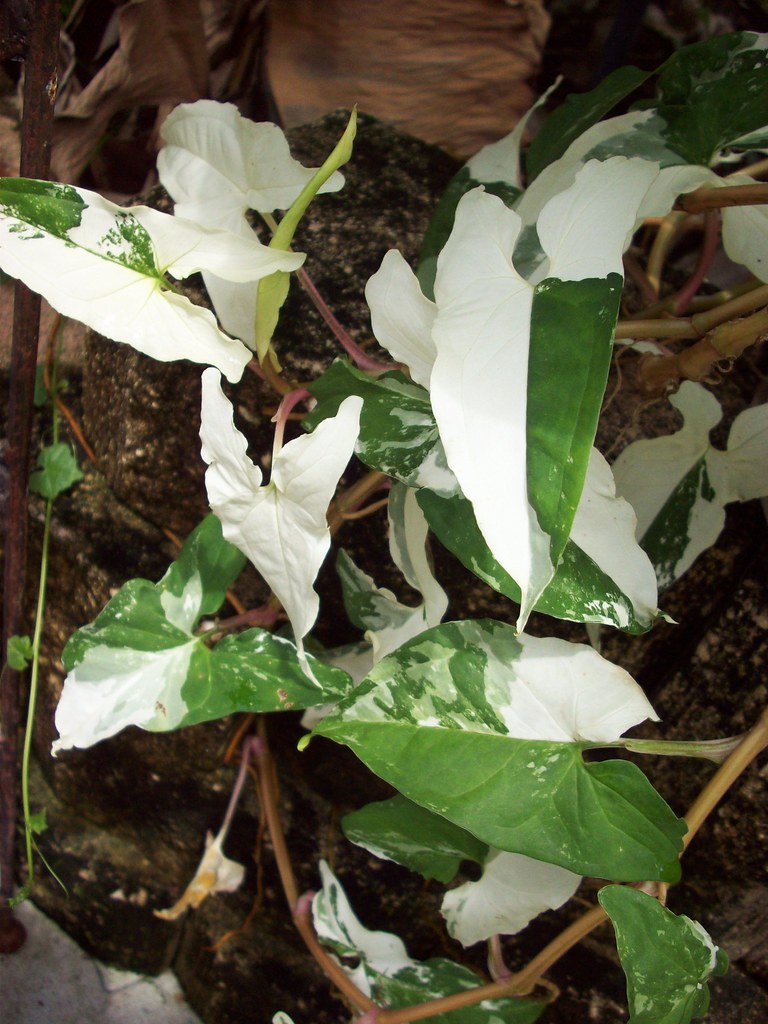
1000 Images About Syngonium On Pinterest

Got My Syngonium Moonshine In The Mail Today And I Noticed It Has Some

The Smiths Plays Softly Plants Sansevieria Moonshine Ceropegia

Pin Em Tropicalhouseplants

1 Each Of Hedera Golden Child English Ivy Alocasia Green Alocasia

Syngonium Moonshine Greenhouse Plants Balcony Plants House Plants

Trivandrum Garden Tech Syngonium Green In Glass Pot Pot Green Cafe
Posting Komentar untuk "Syngonium Moonshine: The Ultimate Green Companion for Your Home"